

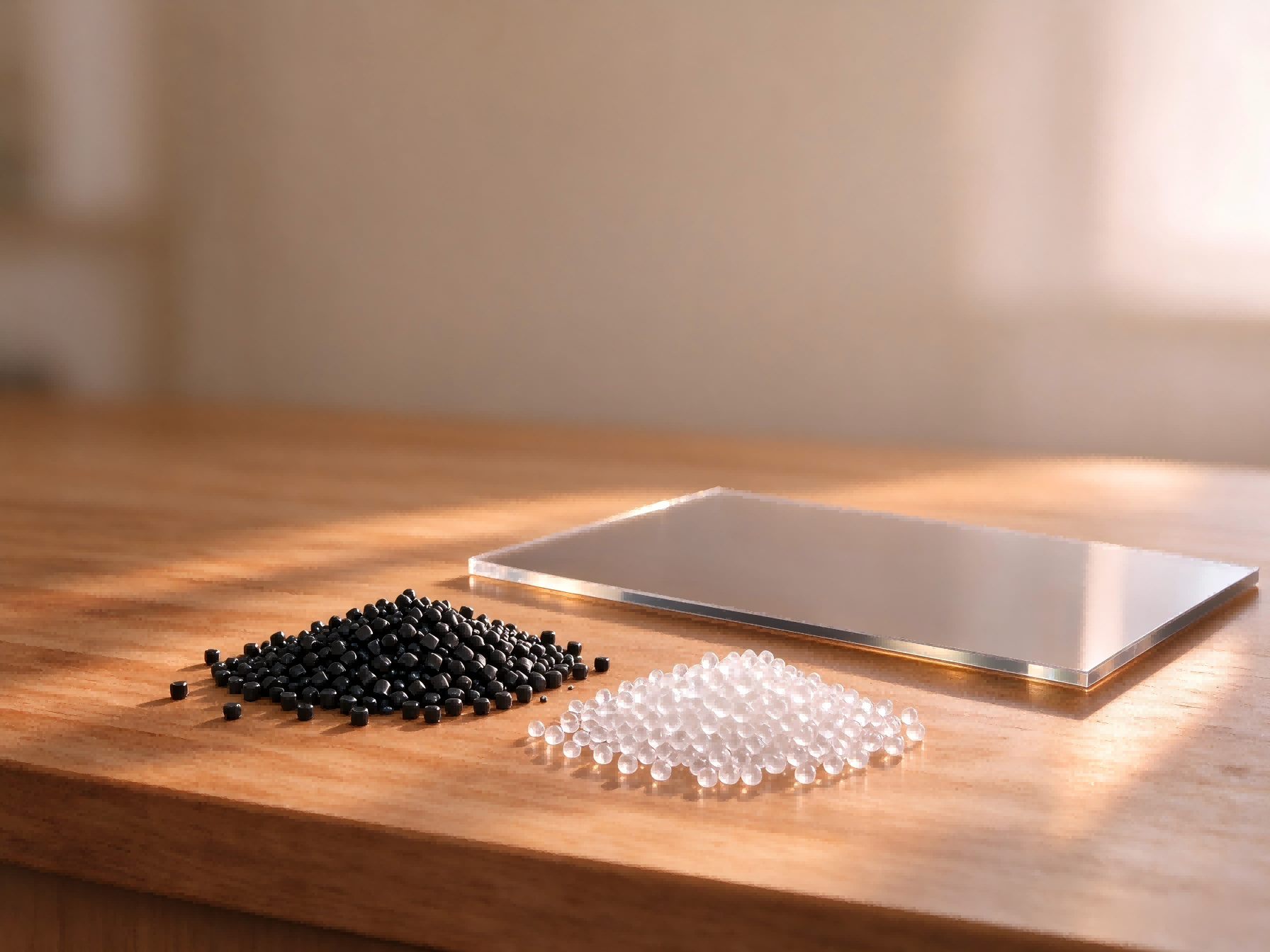
The Daily Reality of Rising Energy Costs
In recent years, the conversation around energy efficiency has moved from corporate boardrooms directly into our living rooms. As households worldwide face rising utility bills, the demand for appliances that can maintain optimal temperatures without consuming excessive power has skyrocketed. This is where advanced materials science steps in, specifically, Polycarbonate (PC) thermal insulation.
From Industrial to Everyday Living
Historically, PC materials were celebrated for their durability in heavy machinery and electronics. However, recent breakthroughs in polymer engineering have allowed manufacturers to refine these materials into highly effective thermal barriers. Today, when you open your refrigerator, turn on your air conditioner, or drive an electric vehicle, PC thermal insulation is likely playing a silent role in keeping things cool or warm as needed.
Why PC Materials are Winning the Market
Industry analysts point to three primary reasons for the surge in PC thermal insulation adoption:
Lightweight Durability: Unlike traditional glass or metal components, PC materials drastically reduce the overall weight of appliances, making them easier to transport and install.
Excellent Thermal Resistance: PC materials inherently resist heat transfer, ensuring that energy used to cool a home or appliance doesn't easily escape.
Design Flexibility: The ability to mold PC into complex shapes (such as the infrared diffusion components seen in modern smart appliances) allows for sleek, aesthetically pleasing designs that fit modern interiors.
The Road Ahead
As governments tighten energy efficiency regulations and consumers become more eco-conscious, the material science sector is poised for significant growth. Companies are now investing heavily in R&D to create next-generation PC composites that are not only thermally superior but also easier to recycle, closing the loop on sustainable manufacturing. For the average homeowner, this means quieter, more efficient, and longer-lasting appliances in the years to come.