

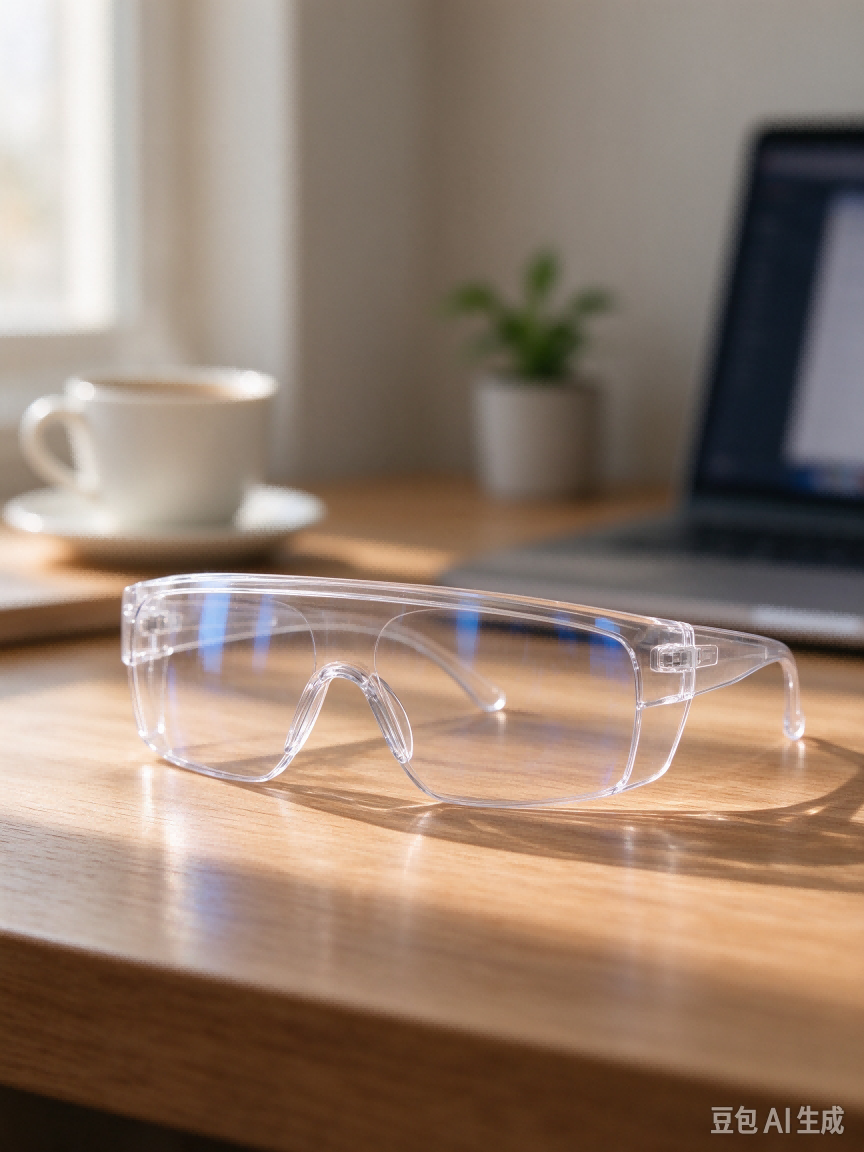
Over the past decade, global digitalization has accelerated at an unprecedented pace. From the widespread adoption of remote work to the rise of immersive streaming, the amount of time people spend in front of screens has reached record highs. This shift has been accompanied by increasingly common digital eye strain and potential risks of optical damage. Against this backdrop, blue-light-blocking polycarbonate (PC)—a material combining high impact resistance with optical protection—is reaching a pivotal turning point as it transitions from industrial applications to everyday consumer products.
The Evolution of Materials Science into Everyday Life
Polycarbonate (PC) has long been widely used in aerospace, the automotive industry, and high-end medical equipment due to its lightweight nature, high transparency, and exceptional impact resistance. However, as material modification technologies have matured, it has become possible to integrate blue-light-blocking capabilities directly into the PC substrate. Unlike traditional surface coatings, incorporating blue-light-blocking additives into the base material enhances durability and eliminates the risk of protection failure caused by coating degradation or peeling. Industry analysts note that this material technology aligns perfectly with current consumer demands for "invisible protection" and high durability.
Industry Trends: From Specialized Sectors to the Consumer Market
In the past, blue-light-blocking products were largely confined to professional safety eyewear or specific medical applications. Today, the market landscape has shifted. Industry reports indicate that demand for high-performance blue-light-blocking PC materials within the consumer electronics and fashion eyewear sectors is rising at a double-digit compound annual growth rate. Manufacturers are striving to precisely filter out harmful short-wave blue light while maintaining high light transmission, ensuring that products do not exhibit yellowing or color distortion. This technological breakthrough allows blue-light-blocking PC materials to be seamlessly integrated into everyday non-prescription glasses, prescription lenses, and even smartphone screen protectors and cover plates for wearable devices.
Seamless Integration into Daily Life
The widespread adoption of this material is not merely a matter of technology; it represents a shift in lifestyle. Today’s consumers expect gentle eye protection while working from home, reading late at night, or gaming—without the need for bulky, professional-grade protective gear. Thanks to their lightweight and slim profile, PC-based blue-light-blocking materials allow for a perfect blend of style and wellness. While these everyday products look identical to standard eyewear or screens, they incorporate a robust physical barrier against blue light.
Public Health and Future Outlook
From a public health perspective, advancements in materials science offer an accessible solution to the global issue of eye strain. Driven by increasing regulatory focus on photobiological safety standards and rising consumer health awareness, the market penetration of PC-based blue-light-blocking materials is projected to grow significantly over the next five years. Cross-sector collaborations between material suppliers and consumer brands will become the norm, collectively transforming this technology from an optional "value-add" into a "standard feature" of everyday products.